Root canal treatment itself is usually much easier than people expect. The questions that come up most afterward are practical ones: when can I eat, what should I eat, and what should I avoid?
This guide covers the first few hours, the first few days, and the weeks until your tooth gets its permanent crown or filling. Your own written instructions from the office always come first, because they are written for your tooth and your treatment, but the general approach is very consistent.
Wait Until the Numbness Wears Off
A standard root canal is done with local anesthetic, and the numbness lasts a few hours after you leave. It is best not to eat until it has worn off completely.
The reason is simple. While your lip, cheek and tongue are numb, it is very easy to bite them without noticing, and those bites can be surprisingly sore for days. Hot drinks are a similar risk, since you cannot feel how hot they are. Sip water or something lukewarm until feeling returns.
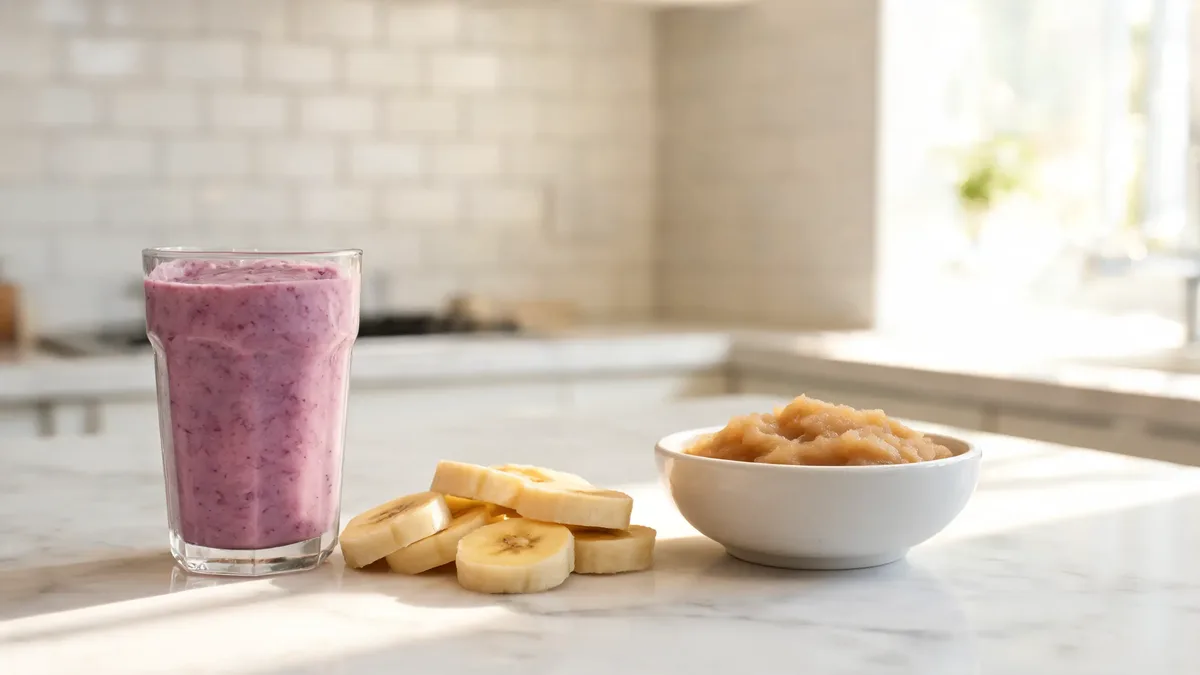
If you are hungry before then, a smoothie or yogurt taken carefully on the other side of your mouth is the safest choice.
The First Few Days: Soft and Easy
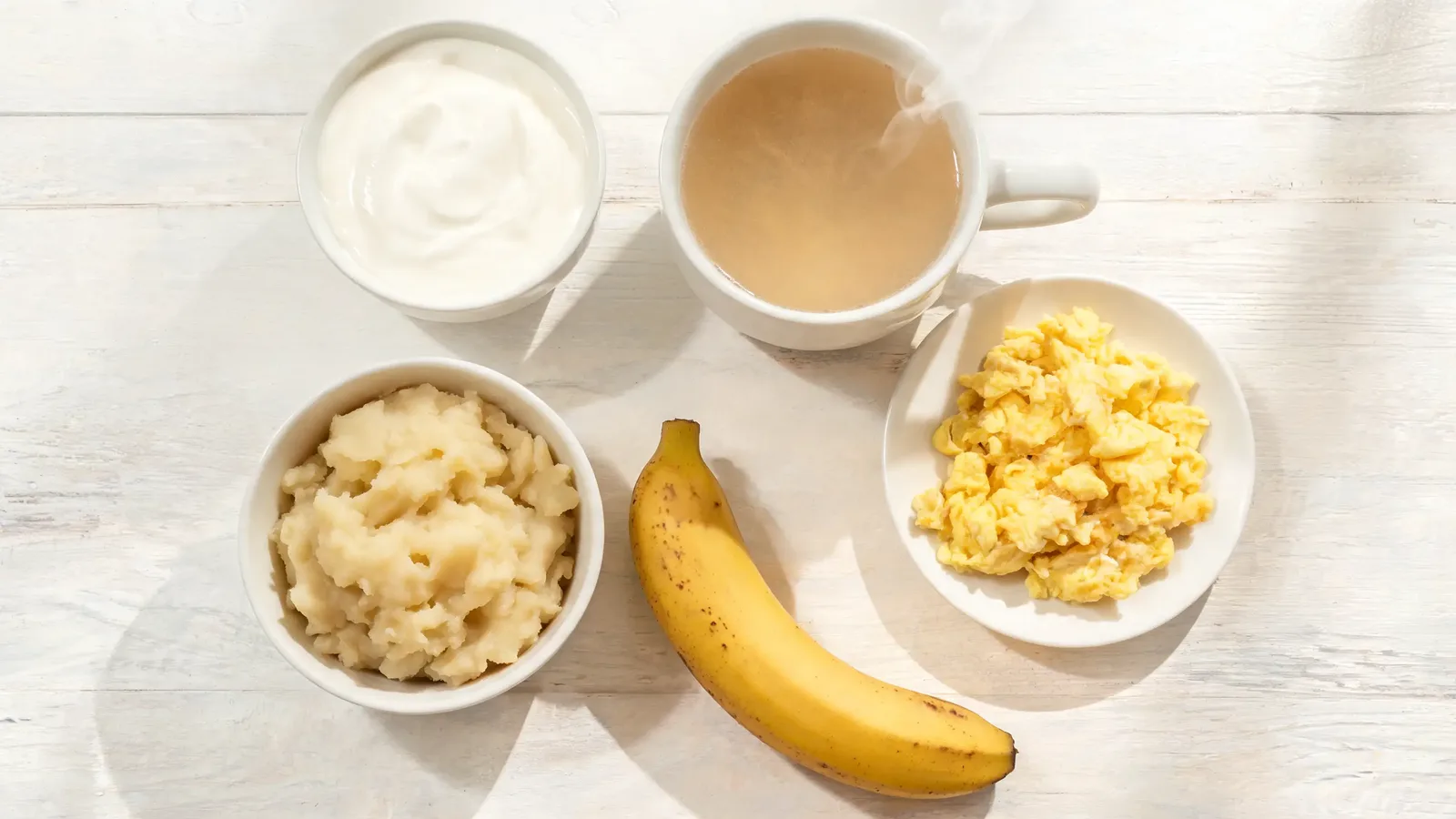
Mild tenderness when biting is normal for a few days after treatment, especially if the tooth was very sore beforehand. Soft foods keep you comfortable and give the area around the tooth time to settle. Good choices include:
- Yogurt, smoothies and cottage cheese
- Scrambled eggs and omelets
- Mashed potatoes, sweet potatoes and well cooked vegetables
- Soups and broths, warm rather than very hot
- Oatmeal and other soft cereals
- Soft fish, pasta and rice
- Bananas, applesauce and other soft fruit
Chew on the opposite side of your mouth from the treated tooth. Over-the-counter pain relief usually handles any soreness, taken as your instructions say. Keep brushing and flossing normally, including around the treated tooth, gently.

Foods to Avoid Until Your Crown Is Placed
This is the part people most often overlook. After a root canal, the tooth usually has a temporary filling or a permanent filling, and many teeth, especially molars, still need a crown from your general dentist to protect them.
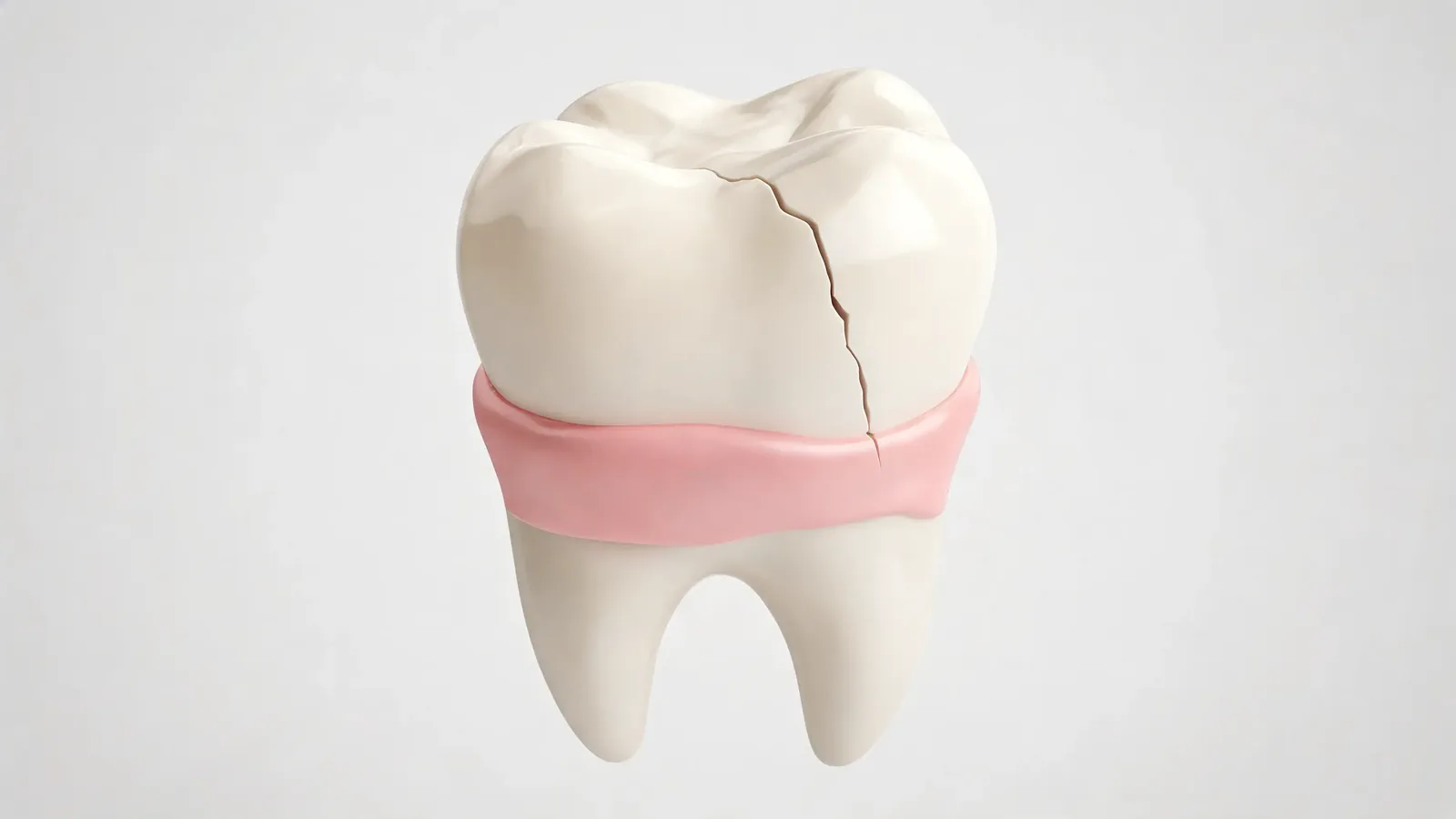
Until that final restoration is in place, the tooth is more vulnerable than it looks. A tooth that needed a root canal has often already been weakened by decay or a crack. Biting down hard on the wrong thing can crack it or dislodge the temporary filling. Skip these until your dentist says the tooth is fully restored:
- Hard foods: nuts, hard candy, ice, crusty bread and hard pretzels
- Crunchy foods: popcorn, chips and raw carrots
- Sticky and chewy foods: caramel, taffy, gum and chewy granola bars, which can pull a temporary filling loose
- Very hot or very cold foods, if the area is still sensitive
Popcorn deserves a special mention. The hard kernels and the husks that wedge between teeth are a common source of trouble for any tooth that is waiting for a crown.
What About Drinks?
Water is always fine. Lukewarm drinks are easiest in the first day or two. Very hot coffee or tea is worth avoiding while you are still numb.
If you smoke, this is a good time to cut back. Smoking slows healing everywhere in the mouth. Alcohol can interact with some pain medications, so check the label of anything you take.
When Can You Eat Normally Again?
Most people are comfortable eating soft foods the same day and move back toward their normal diet within a few days, still chewing on the other side.
The bigger milestone is the final restoration. Once your general dentist has placed the crown or permanent filling, the tooth can usually go back to normal chewing. That is also why it is important not to put off that appointment. A tooth left with only a temporary filling for too long can let bacteria back in or crack, which can undo the work.
MedlinePlus, from the U.S. National Library of Medicine, has a short summary of root canal treatment if you would like more background on what was done.
When to Call
Some tenderness is expected. A few things are not, and we would rather hear about them early:
- Swelling that is getting worse rather than better
- Pain that is increasing after the first few days instead of easing
- A temporary filling that comes out
- Your bite feeling uneven or the tooth feeling high when you close
- A reaction to any medication
For more on what normal healing looks like, see what happens during a root canal. If something does not feel right after treatment at our Bakersfield or Valencia office, contact us and we will take a look.