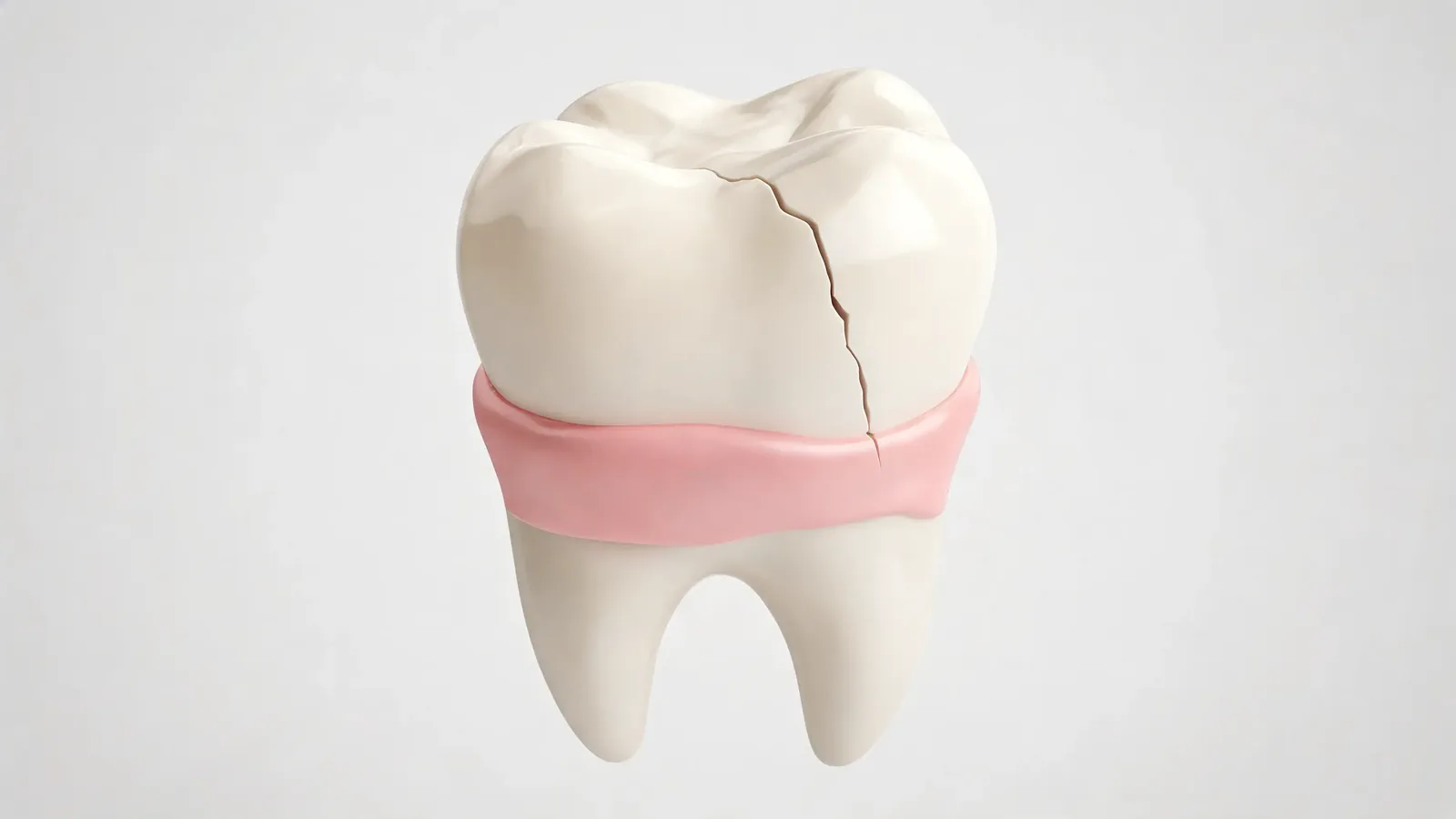
You bite into a sandwich and feel a quick, sharp zing in one tooth. You let go and it is gone. You try to find the tooth again and nothing hurts. A day later it happens again on a piece of toast. That on and off pattern is frustrating, and it is also one of the most recognizable signs of a cracked tooth.
Dentists call it cracked tooth syndrome. It is one of the most common reasons general dentists refer patients to an endodontist, mostly because the crack itself is so hard to see. This guide explains why a cracked tooth hurts the way it does, how a crack is found, what treatment usually looks like, and why it pays to have it checked early rather than waiting to see if it settles.
Why a Cracked Tooth Hurts Only When You Bite
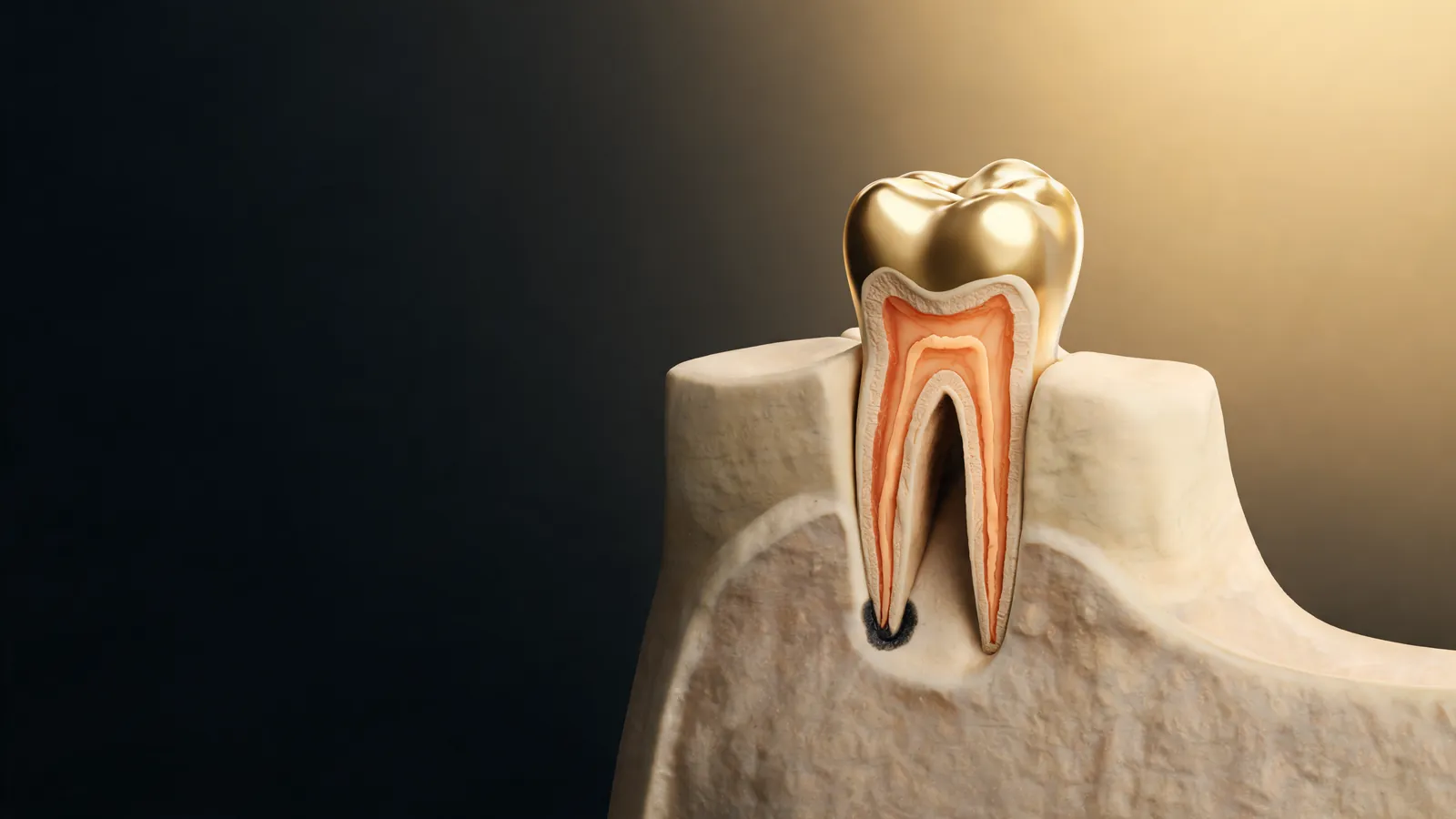
A tooth is not one solid block. Under the enamel and dentin sits the pulp, the soft tissue that holds the nerve and blood supply. When a fine crack runs through the crown, the two sides of the tooth can flex apart very slightly under biting pressure.
That tiny movement is enough to irritate the nerve inside. The classic result is a sharp pain on biting, and often an even sharper jolt at the moment you release, as the two sides of the crack snap back together. Once the pressure is gone, the crack closes again and the pain stops.
This is why the pain feels so random. It depends on exactly where you bite, how hard, and what you are eating. Chewy and hard foods tend to set it off. Soft foods often do not.
Common signs include:
- Sharp pain when biting that disappears when you let go
- Pain that comes and goes rather than staying constant
- Sensitivity to hot, cold or sweet foods in one tooth
- Discomfort that is hard to pin down to a single tooth
If that list sounds familiar, our cracked teeth page goes into more detail on how we evaluate these teeth.
What Causes a Tooth to Crack
Teeth are strong, but they take enormous forces every day, and over years small weaknesses add up. The most common contributors are:
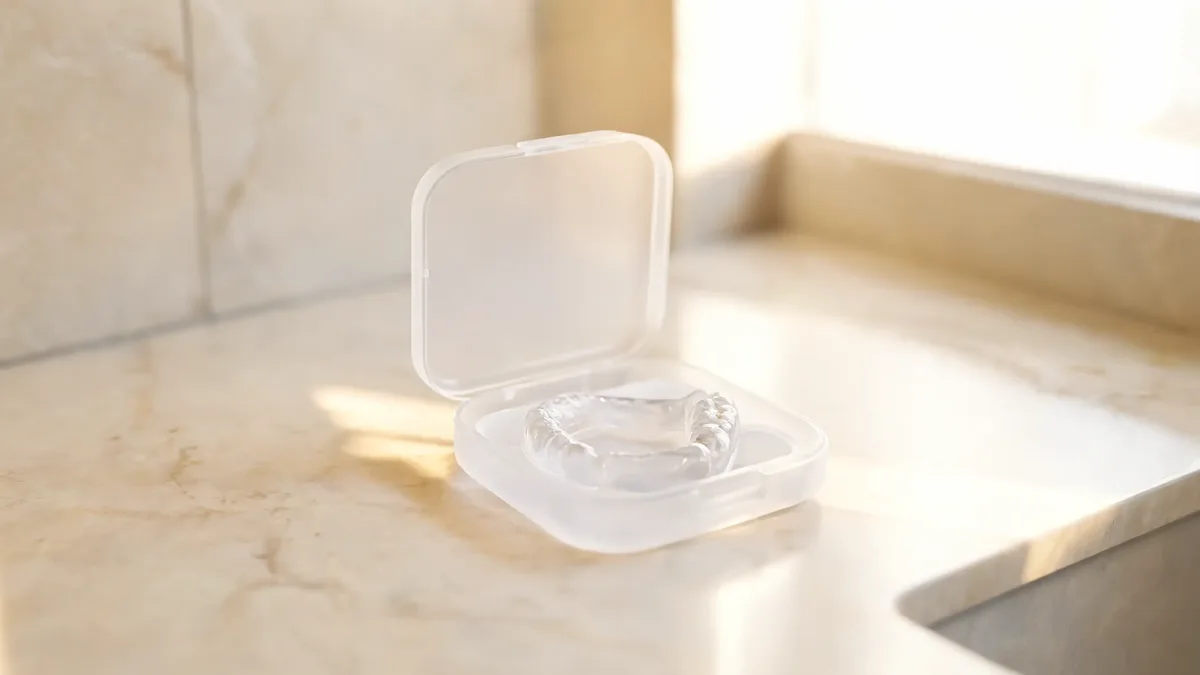
- Grinding and clenching. Many people grind at night without knowing it. The constant load can start and extend cracks, especially in back teeth.
- Chewing hard things. Ice, hard candy, popcorn kernels and nut shells are frequent culprits.
- Large old fillings. A big filling leaves less natural tooth around it, and the remaining walls of the tooth can flex and crack over time.
- Sudden temperature changes. Very hot food followed by something ice cold puts extra stress on enamel.
- Injury. A blow to the face or biting down hard on something unexpected can crack a tooth outright.
Molars carry most of the chewing force, so they are where cracks most often show up. A tooth that already had a large filling or a root canal without a crown is especially vulnerable.
Why Cracks Are So Hard to Find
Many patients with a cracked tooth have already had an x-ray that looked normal. That is not a mistake. A crack is a gap with almost no width, and standard x-rays show differences in density. A hairline crack often simply does not appear on the image.
Finding a crack is more like detective work. At a specialist visit, the diagnosis usually comes from putting several pieces together:
- Bite testing. Pressing on one cusp at a time to find exactly which part of which tooth hurts, especially on release.
- Cold testing. Checking how the nerve responds compared with neighboring teeth.
- Magnification. Under a surgical operating microscope with focused light, and often with a stain applied, cracks become visible that are invisible to the naked eye.
- Cone beam 3D imaging. A focused, low dose 3D scan can show the bone pattern alongside a cracked root and help judge how deep a crack runs.
- Looking under old fillings. Large restorations frequently hide the crack line, and removing them under the microscope can show its true extent.
Putting those findings together tells us which tooth is cracked, how far the crack goes, and, most importantly, whether the tooth can be saved.
How a Cracked Tooth Is Treated
Treatment depends on where the crack is and how deep it runs. Broadly, the options look like this:
- A crack limited to the crown, nerve healthy. Often a crown from your general dentist is enough. It wraps the tooth and stops the two sides from flexing.
- A crack that has reached or irritated the nerve. Root canal therapy settles the nerve and removes the source of pain, and then a crown holds the tooth together. You can read about what that involves on our root canal therapy page.
- A crack that runs far below the gum and bone. In some cases the tooth cannot be saved. An honest diagnosis matters here, because treating a tooth that will not last is not a good use of your time or money.
If a crown is planned, avoid chewing on the tooth until it is placed. Until then, the crack can still flex. If grinding or clenching contributed, a nightguard can protect the tooth and its neighbors going forward.
Why It Is Worth Acting Early
Cracks do not heal. Every chewing cycle can work a crack a little deeper. A crack confined to the crown of the tooth is very treatable. The same crack, left another year, can travel toward the nerve, let bacteria in, or travel below the bone level, at which point the tooth may have to be removed.
That is the honest reason to have it looked at sooner rather than later. The on and off nature of the pain makes it tempting to wait, but intermittent pain is often the early, more treatable stage.
The U.S. National Library of Medicine keeps a plain language overview of tooth disorders if you want more general background.
What You Can Do Right Now
While you wait for an appointment, a few simple steps can help keep the tooth comfortable and protect it:
- Chew on the other side of your mouth.
- Avoid very hard, chewy or sticky foods and skip ice entirely.
- Avoid extreme hot and cold if they set the tooth off.
- If you know you grind or clench, mention it at your visit.
Call sooner if the pain becomes constant, wakes you at night, or you notice swelling. Those can mean the nerve is now involved, and our emergency endodontics page explains what to do.
If you are in the Bakersfield or Valencia area and recognize this pattern of pain, you can request an appointment. You do not need a referral to see an endodontist.