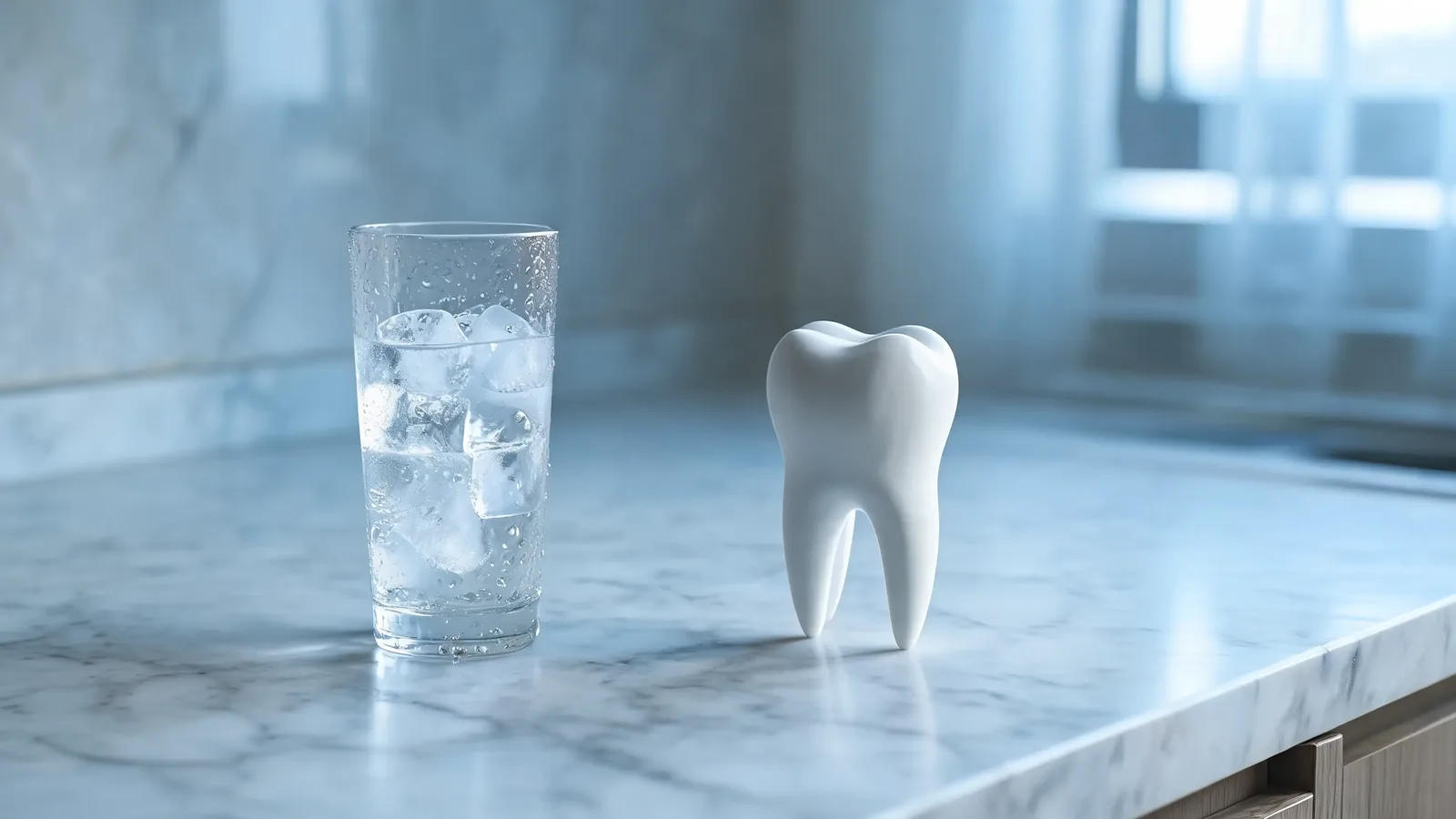
A tooth that hurts from cold and keeps aching for more than a few seconds after the cold is gone is often a sign that the nerve inside the tooth, the pulp, is inflamed. A brief zing that fades right away is usually minor and common. At Dental Specialty Group, endodontists Dr. Mohammad Sirjani and Dr. Youram Farzam test and image sensitive teeth at our Bakersfield and Valencia offices, and you do not need a referral to book: call (661) 432-1630.
Cold sensitivity is one of the most common reasons people notice a tooth at all. Most of the time it is nothing more than a little exposed root or worn enamel. But the way the pain behaves, especially how long it lasts, tells a specialist a great deal about what is happening inside the tooth.
This guide explains the difference between ordinary sensitivity and lingering pain, the usual causes, what you can safely try at home, and the signs that mean it is time to have the tooth looked at.
Short Zing vs. Lingering Ache
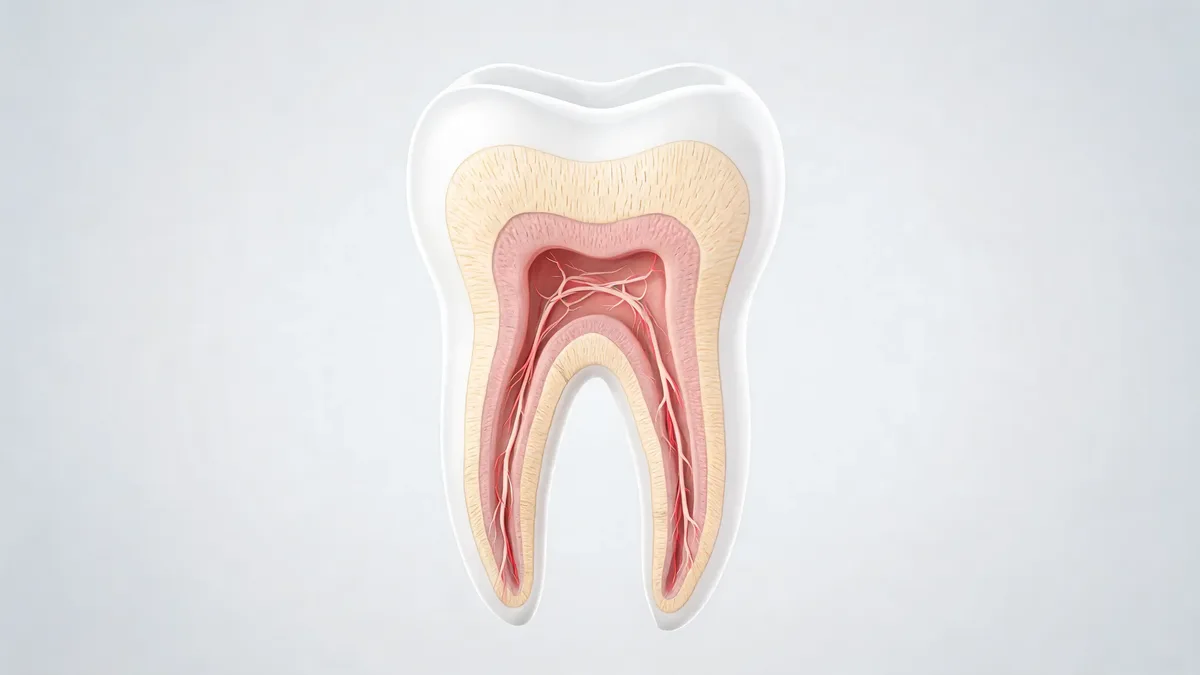
Healthy teeth can feel cold. That sensation travels through dentin, the layer under the enamel, which is full of tiny tubes that lead toward the nerve. When enamel wears thin or a gum line pulls back and exposes the root, cold reaches those tubes more easily and you feel a sharp, quick twinge.
The key detail is what happens next. With ordinary sensitivity, the pain stops within a second or two of the cold being gone. With an inflamed pulp, the ache hangs on. It may last 10 seconds, 30 seconds or longer, it may throb, and it can be hard to tell exactly which tooth it is coming from.
Endodontists pay close attention to this difference, because it is one of the main clues to whether the nerve can recover or not:
- A quick, sharp twinge that fades right away usually points to exposed dentin, worn enamel or a gum line that has receded.
- Pain that lingers after the cold is gone suggests the pulp itself is inflamed.
- Pain that starts on its own, wakes you at night or throbs is a stronger sign that the pulp is in trouble.
- Heat that hurts and cold that soothes can mean the pulp is in a more advanced stage and should be seen soon.
Our root canal therapy page lists sensitivity to hot or cold that stays after the source is gone among the common signs that lead to treatment.
What Causes Cold Sensitivity
Inside every tooth is a soft core called the pulp, made up of nerves and blood vessels. Anything that lets cold, bacteria or irritation reach it more easily can make a tooth sensitive. The American Dental Association explains that when dentin loses its protective covering, the tubes inside it let heat, cold and acidic foods reach the nerves and cells inside the tooth (ADA MouthHealthy: sensitive teeth).
The common causes fall into two groups. The first group affects the outside of the tooth and usually causes brief sensitivity:
- Gum recession that exposes the softer root surface
- Enamel worn down by grinding, clenching or acidic food and drink
- Brushing very hard with a stiff brush
- A recent cleaning, filling or whitening treatment, which often settles in days to weeks
The second group reaches the pulp and is more likely to cause pain that lingers:
- Deep decay that has spread close to the nerve
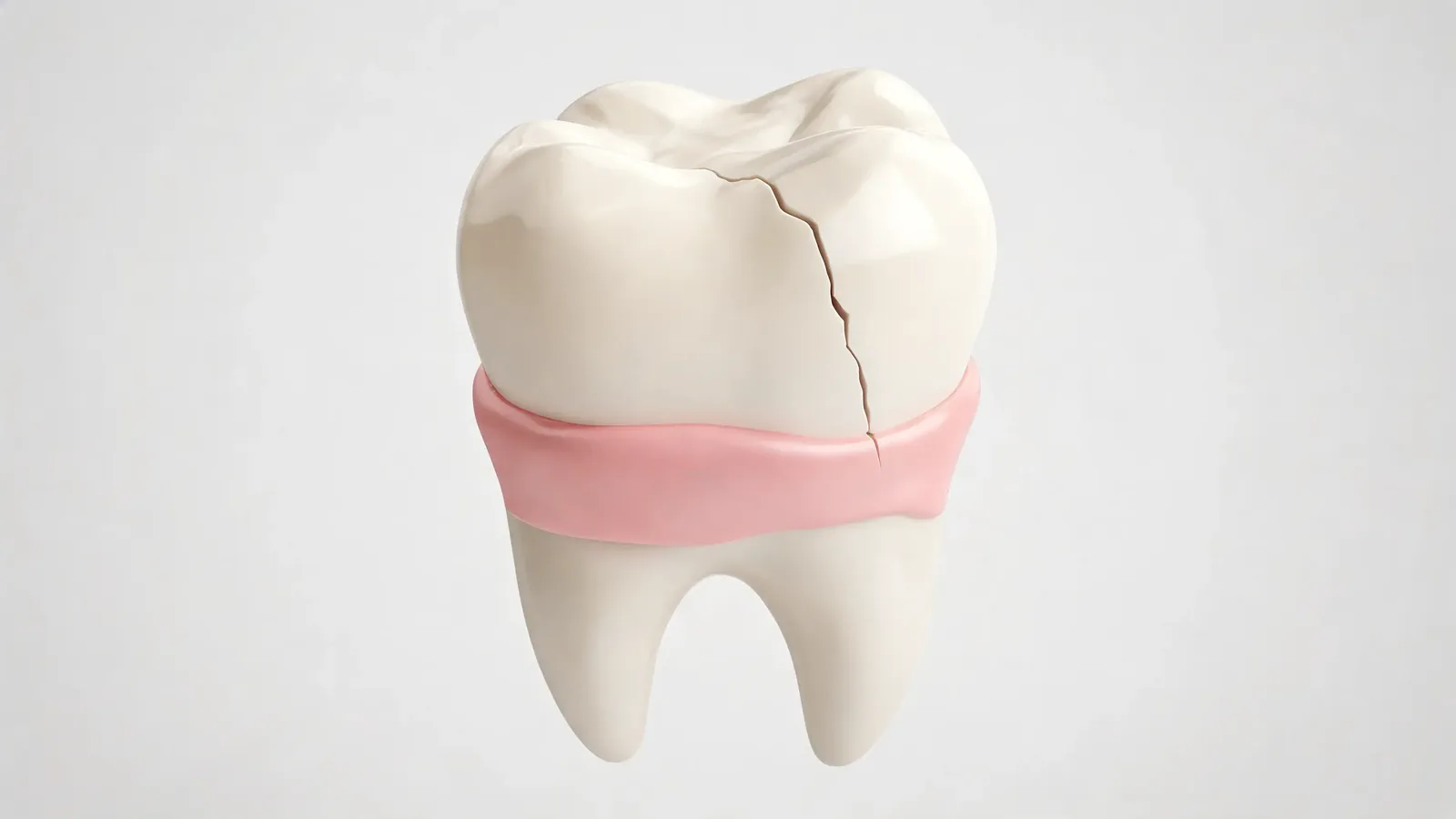
- A cracked tooth, which can let bacteria seep inward and often hurts on biting as well
- A large or old filling that has leaked at the edges
- A tooth that took a hard knock in the past, even years ago
Cracks deserve special mention, because they are easy to miss on a regular x-ray. If cold sensitivity comes with a sharp pain when you bite or release, our guide to cracked tooth pain when biting explains what is going on.
What You Can Try at Home
If the sensitivity is brief and fades right away, a few simple changes often help within a few weeks. These are safe first steps while you wait to see your dentist:
- Switch to a soft toothbrush and use gentle, small circles at the gum line
- Use a toothpaste made for sensitive teeth every day, and give it a few weeks to work
- Cut back on acidic drinks such as soda, sports drinks and citrus juices, or drink them with a meal
- Wait a while after acidic food or drink before brushing, so softened enamel is not scrubbed away
- Ask your dentist about a night guard if you clench or grind
What home care will not do is fix an inflamed pulp. If the pain lingers, wakes you up or keeps getting worse, sensitivity toothpaste may dull it a little, but the problem inside the tooth keeps going. Over-the-counter pain relievers taken as directed on the label can take the edge off while you arrange an appointment.
When Lingering Cold Pain Means the Nerve Is Involved
When the pulp is irritated but still healthy enough to recover, removing the cause, such as decay or a leaking filling, can allow it to settle down. When the inflammation has gone too far, the pulp cannot heal on its own. The pain may come and go, or it may fade completely for a while, which is why people talk themselves out of treatment. But bacteria stay inside the tooth and the problem keeps spreading.
Left alone, an inflamed or infected pulp can lead to an abscess at the root tip, swelling in the gum or face, and gradual loss of the bone that holds the tooth. The tooth can eventually become impossible to save. That is why lingering cold pain is worth checking early, while there are still good options.
The good news is that a tooth with an inflamed or infected pulp can usually be saved with root canal treatment. The inflamed tissue is removed, the inside of the tooth is cleaned and sealed, and your own tooth stays in place. Most patients tell us the visit felt no different from having a filling. Our guide to what happens during a root canal walks through the treatment step by step.
How an Endodontist Finds the Source
Tooth pain is surprisingly hard to pin down. Cold pain can feel like it is coming from a tooth above or below the real one, or from the whole side of the jaw. Finding the exact tooth, and understanding what is happening inside it, is the core of what an endodontist does.
At your visit, we start by listening: when the pain started, how long it lasts after cold, whether it wakes you up and what makes it better or worse. Then we test. A cold test on the suspect tooth and its neighbors shows how each one responds and how long the response lasts. Gentle tapping and biting tests help reveal inflammation around the root or a crack.
Imaging comes next. Along with standard x-rays, we use cone beam 3D imaging, a focused scan that shows root anatomy and the surrounding bone in a way a flat x-ray cannot. Treatment is done under a surgical operating microscope, which makes canals and hairline cracks visible rather than guessed at.
By the end of the visit you should know which tooth is involved, whether the nerve is likely to recover, and what your options are. Sometimes the answer is simply that the tooth is healthy and the sensitivity is coming from exposed root surface, and that is good news worth hearing from a specialist.

When to Call Us
Call to have the tooth examined if any of these apply:
- Cold pain lasts more than a few seconds after the cold is gone
- The tooth aches on its own or wakes you at night
- Sensitivity has been getting worse over days or weeks
- The tooth also hurts when you bite down or release
- You notice a pimple-like bump on the gum, a bad taste or swelling
- The tooth has darkened compared to its neighbors
Swelling in your face or neck, fever, or trouble swallowing or breathing needs urgent care the same day. Call the office right away, and if you cannot reach us or symptoms are severe, go to an emergency room. Our emergency endodontics page explains what to do when tooth pain is severe; our team works to see emergency patients as soon as possible, often the same day.
Our Bakersfield office is at 1010 Calloway Drive, Suite 200B, and our Valencia office is at 23501 Cinema Drive, Suite 207. Both are open Monday to Friday, 9:00am to 5:00pm. Call Bakersfield at (661) 432-1630 or Valencia at (661) 505-9080, or request an appointment online. Most insurances are accepted, and patient financing is available, including CareCredit, Cherry and others.