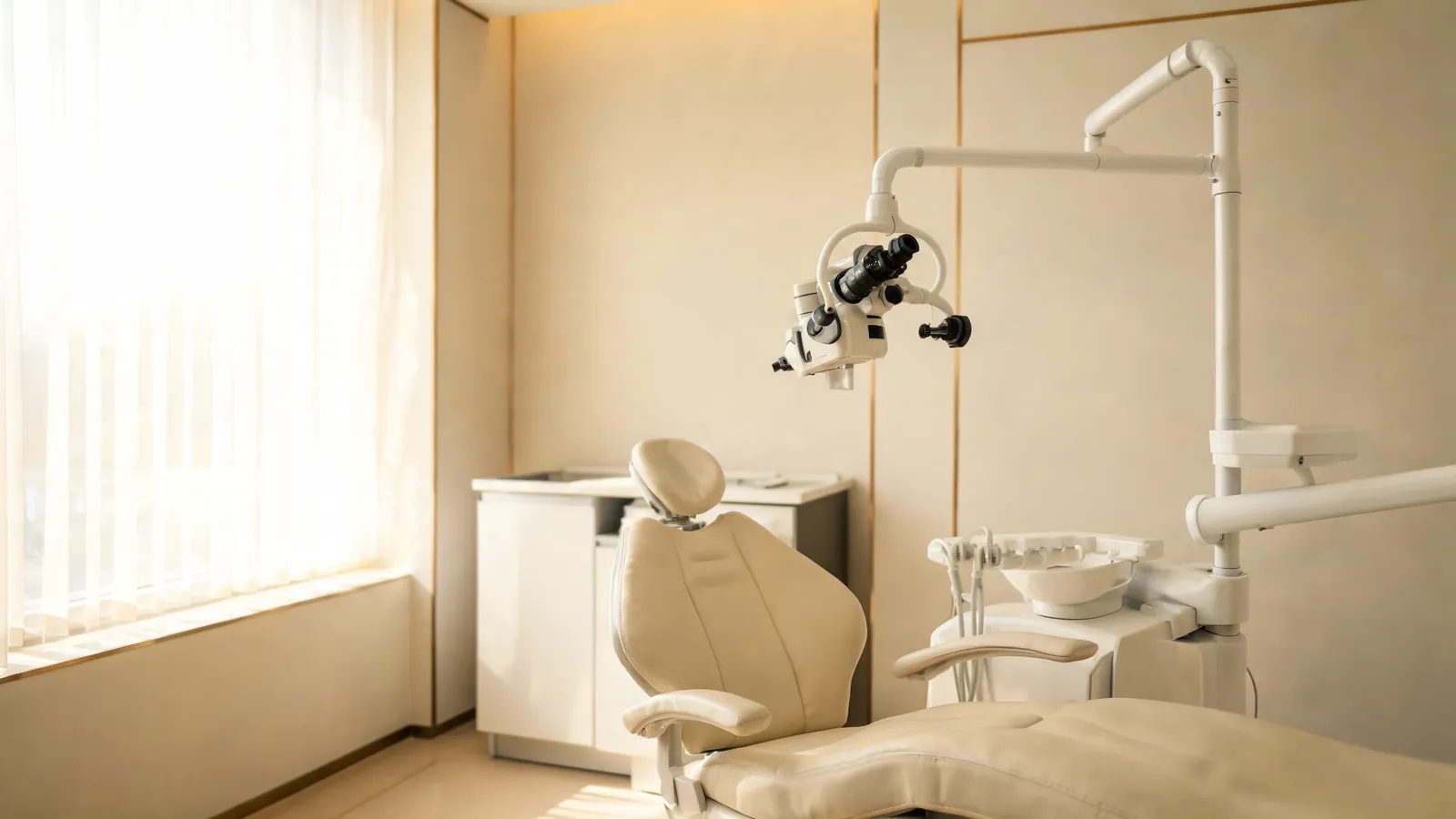
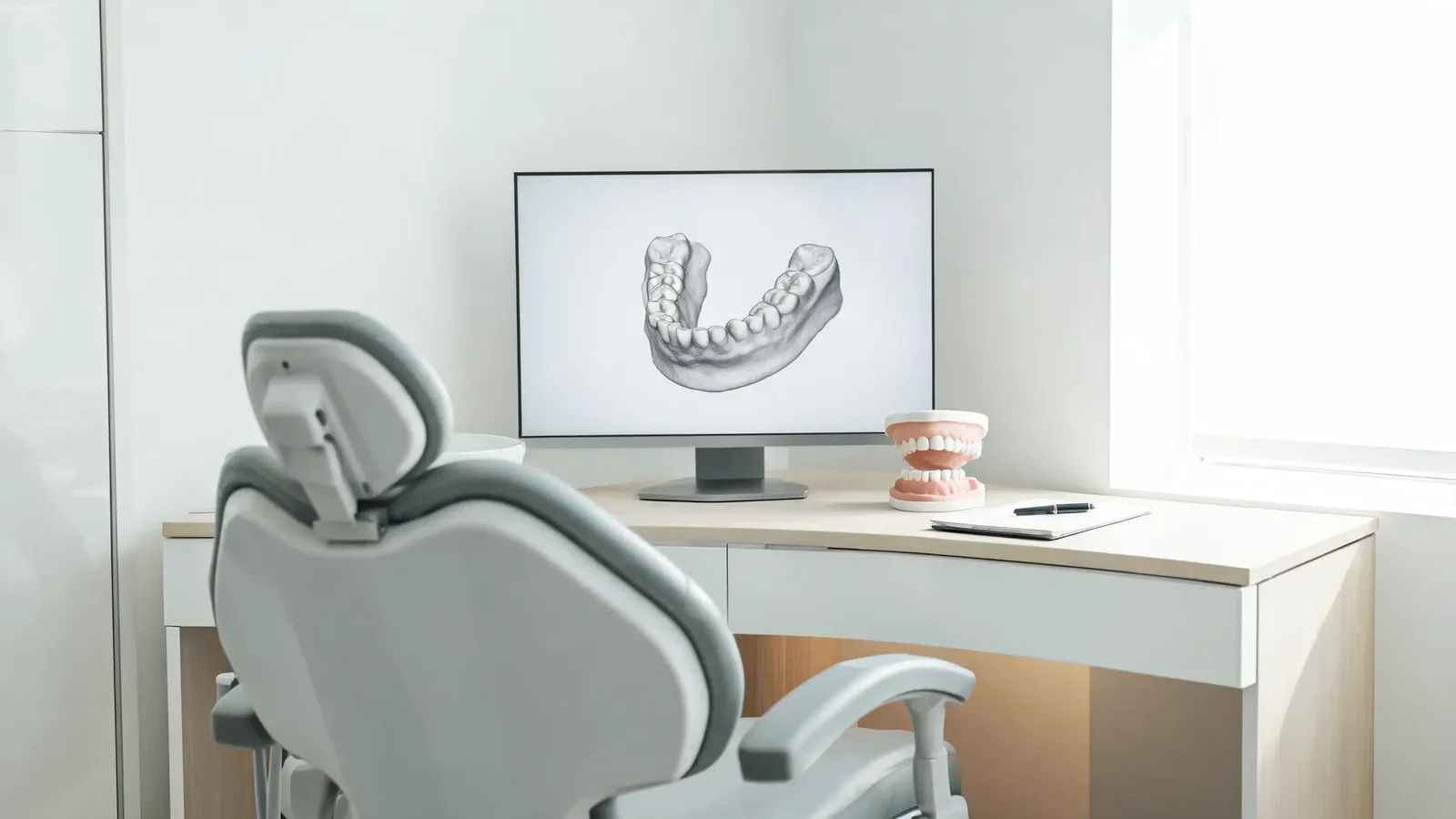
If your dentist has referred you to an endodontist in Bakersfield, or you have a toothache and want a specialist to look at it first, it helps to know what the visit will actually be like. A first appointment with a root canal specialist is not mysterious, but it is different from a routine checkup.
This guide walks through what happens from the first phone call to the end of the visit at our Bakersfield office, what to bring, and the questions worth asking. It is written for patients, but referring dentists may find it useful to share too.
What an Endodontist Does
An endodontist is a dentist who has completed additional specialty training in diagnosing tooth pain and treating the inside of the tooth: the pulp and the root canals. Day in and day out, endodontists perform root canal treatment, retreatment of teeth that were treated before, endodontic microsurgery, and the care of cracked and injured teeth.
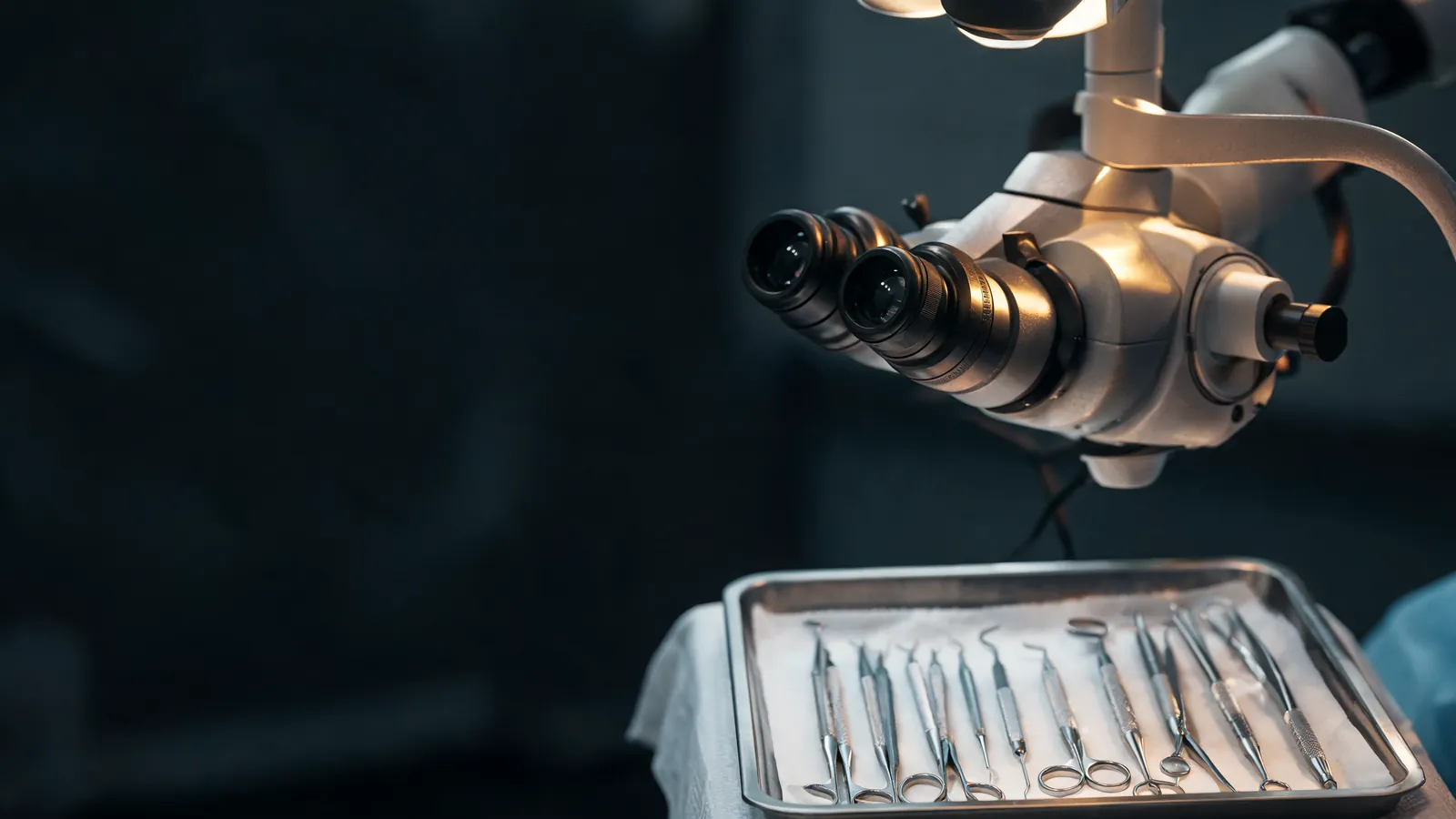
That focus is the point. Specialists work with tools built for this work, including a surgical operating microscope and cone beam 3D imaging, and they see the difficult cases every week. The American Association of Endodontists explains more about why patients see an endodontist.
At our practice, Dr. Mohammad Sirjani completed advanced specialty training at the Herman Ostrow School of Dentistry of USC and serves as a faculty member in USC's Postgraduate Endodontics Clinic. Dr. Youram Farzam is a board-eligible endodontist who completed his specialty training at the University of Southern California. You can read more on our about page.

Before the Visit: The Call and the Paperwork
You do not need a referral to be seen. Many patients come from their own dentist, and plenty call directly because they are in pain and want the specialist first. If your dentist has referred you, they may already have sent x-rays and notes, which helps.
When you call, our team will ask what you are feeling and for how long, and check your insurance so there are no surprises later. If you are in severe pain or have swelling, say so. Our team works to see emergency patients as soon as possible, often the same day.
What to bring to your first appointment:
- Your dental insurance card and a photo ID
- A list of medications you take, including supplements
- Any recent x-rays or a referral form from your dentist, if you have them
- Notes on your symptoms: which tooth, what sets it off, and how long it lasts
At the Visit: Finding the Real Source of the Pain
The first part of the appointment is a conversation. We want to know what you have been feeling, when it started, and what makes it better or worse. Then comes testing: usually cold and gentle pressure on the tooth in question and its neighbors, because the tooth that hurts is not always the tooth that is causing the problem.
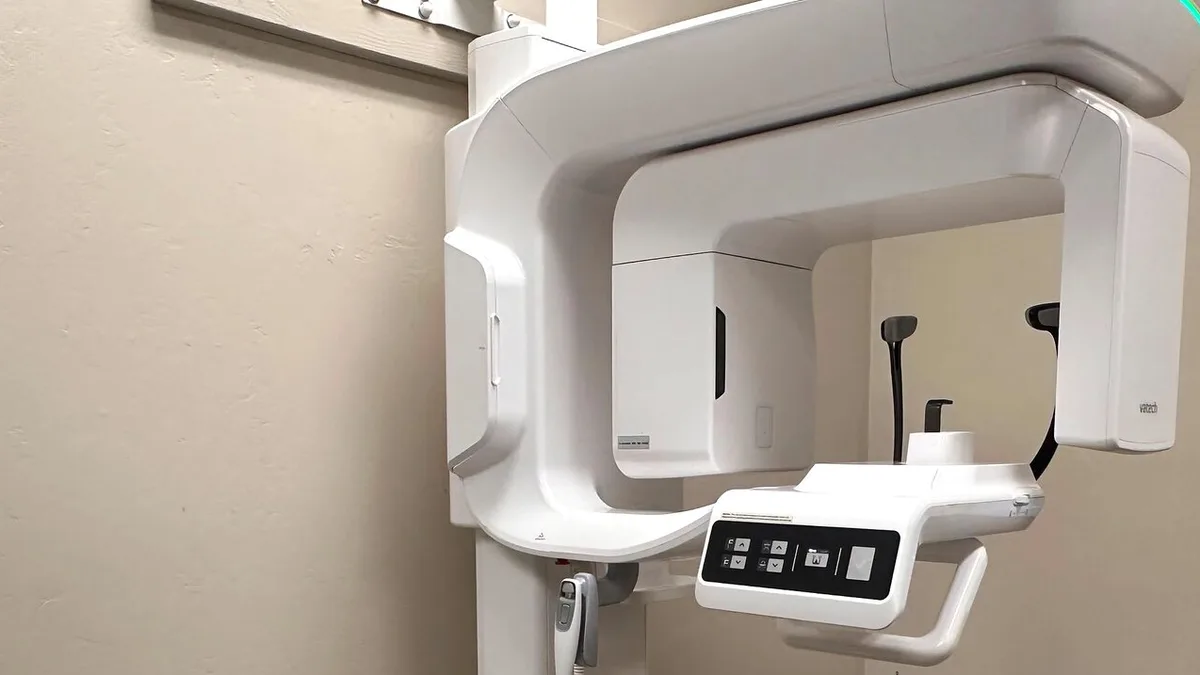
Imaging follows. Along with standard x-rays, a cone beam 3D scan shows the shape of the roots and the bone around them in three dimensions. It can reveal extra canals, infection at the root tip, and signs of a crack that a flat x-ray cannot show.
By the end of this step you should know exactly which tooth is involved, what is going on inside it, and what your options are. If the tooth cannot be saved, or if something other than a root canal would serve you better, this is when you hear about it.
Treatment the Same Day or a Second Visit
Depending on the tooth and the schedule, root canal treatment may begin at the same appointment or be booked for a separate visit. Most root canals are completed in one or two visits. A front tooth with a single canal is often quicker than a molar with three or four.
A standard root canal uses local anesthetic, the same kind used for a filling, so most people drive themselves home and return to normal activities the same day. If you would like to know what the treatment itself involves, our guide to what happens during a root canal walks through it step by step.
Before treatment, our team confirms your coverage and gives you a written estimate of your share. Most insurances are accepted, and patient financing is available, including CareCredit, Cherry and others.
After the Visit: Back to Your Dentist
Endodontists treat the inside of the tooth. Your general dentist places the final crown or filling that protects it. We keep your dentist informed of exactly what was done, so the handover is clear.
Mild tenderness when biting is normal for a few days. For what to eat while you heal, see what to eat after a root canal.

Finding Our Bakersfield Office
Our Bakersfield office is at 1010 Calloway Drive, Suite 200B, Bakersfield, CA 93312. Office hours are Monday to Friday, 9:00am to 5:00pm, and you can reach the office at (661) 432-1630.
We also see patients at our Valencia office at 23501 Cinema Drive, Suite 207, in Valencia, which is convenient for the Santa Clarita Valley.
If you have a tooth that needs a specialist's eye, you can request an appointment online, or call the office directly. If you are in pain right now, our emergency endodontics page explains what to do.